Verification research
The okkigo Human Review Workflow Made Me Rethink AI Sales Development Tools
2026-09-03 · Julian Hartwell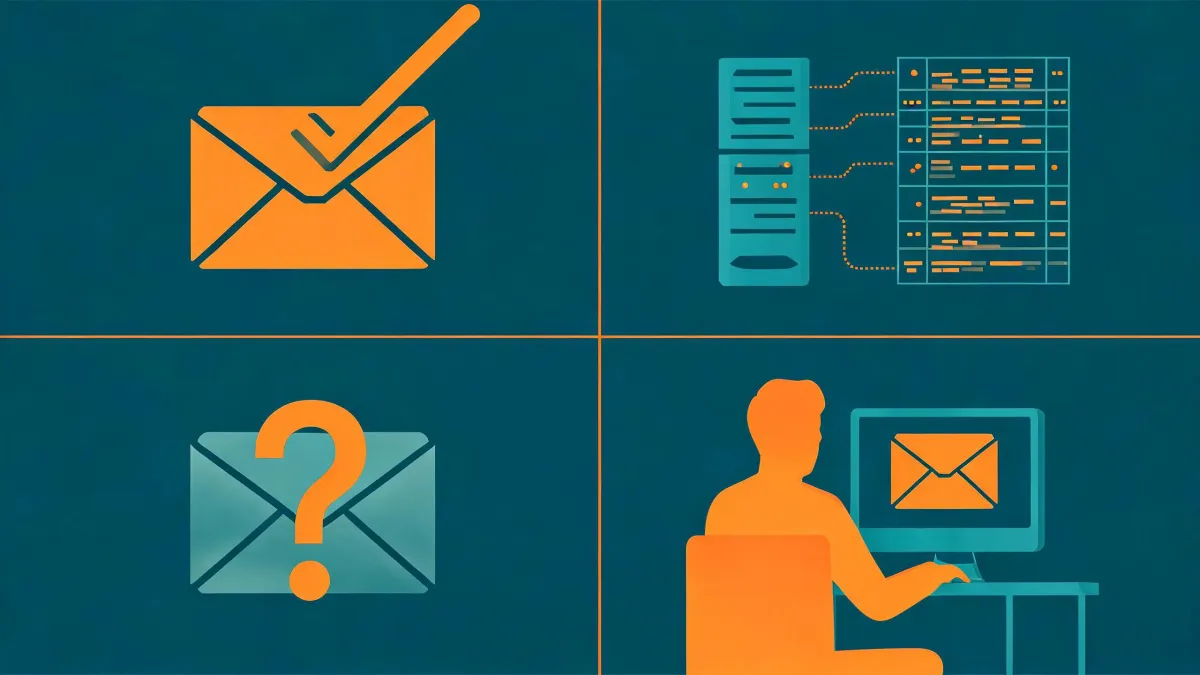
The Request That Started the Clock
At 9:14 on Tuesday, March 17, 2026, my VP of Sales sent an invite with no agenda. That’s never a good sign.
When the meeting started, he said we had eleven days to stand up a new outbound motion in an adjacent market. Our current list had already been worked to death. We had no verified contacts, no email sequence that fit the segment, and no time to run a traditional six-week tool selection process.
I’ve spent the last six years in revenue operations. I have managed way more than thirty we-need-pipeline-yesterday projects. Normally, I’m calm when a deadline is tight. This one hit different because the scope wasn’t just a campaign. It meant choosing new lead generation software, getting it integrated, and making sure we didn’t embarrass the company in front of a brand-new audience.
Comparing okkigo Alternatives Wasn’t Helping
After a colleague recommended okkigo, I did what I always do before a major purchase: I searched for okkigo alternatives and built a spreadsheet. Five tools. Columns for pricing, data coverage, integrations, AI sales assistant features, email sequence options. It looked like a serious evaluation process.
It wasn’t.
Every tool in that comparison had similar feature labels. They all found contacts. They all scored accounts. They all promised to automate outreach. The differences only showed up when I asked the same workflow question: if the AI assumes something wrong, when does a human review the output before it reaches a real inbox?
That question split the tools into two groups. The first group said the AI gets better with feedback. The second group walked me through a screen where an agent finishes a research task and creates a task for a reviewer. I knew which group I needed. I just didn’t want to admit it, because the second group felt less exciting.
The Close Call That Changed My Mind
A few vendors leaned hard on full autonomy. The pitch sounded good: set the criteria, launch an AI SDR, let it handle the prospecting.
I ran a sandbox test with one of those tools. I asked it to build a list for an account segment. It ran for about twenty minutes, then came back with 300 contacts. The first card made me pause. It was a VP of Sales at our own company. The AI’s reason? “Decision maker at a company that matches ICP.” The tool didn’t know we were evaluating it. It didn’t understand the most basic context boundary: don’t pitch ourselves.
I tried to explain it away as a configuration mistake. But that was the point. If the workflow depends on a human setting every boundary before launch, the AI isn’t really autonomous. It’s just fast. In a fully autonomous setup, which boundary would catch the first mistake when the data gets messy? Maybe a mature data environment could handle that level of autonomy. Ours couldn’t, not in eleven days.
The incident changed how I thought about AI sales assistant features. The model wasn’t bad at finding leads. Speed without a human review workflow simply amplified the same old data and context problems.
The okkigo Human Review Workflow Changed the Risk Equation
By the time I saw the okkigo demo, I was tired of hearing the word autonomous. The rep must have sensed it. She asked a question no other vendor had asked: “Who on your team approves a sequence before it goes out?”
At first, I treated that as a limitation. Other tools promised to remove humans. This one wanted me to name one. It took a day for me to realize that was the feature.
The okkigo human review workflow is the center of its agent-native prospecting workflow. The AI agent builds target account lists, enriches contact records, checks email verification, and drafts a personalized first touch. Then it hands its work to a person. Nothing sends automatically.
That did not fit my mental model of lead generation software. I assumed more AI meant less human effort. okkigo does reduce effort, but in the right place. The software removes research busywork and then gives the reviewer enough context to approve, edit, or reject in seconds. The human owns judgment. The AI owns volume.
A practical example: the AI proposed a three-step email sequence with account-specific opening lines. Some lines were better than what I would have written. Some were off. In an autonomous tool, the weak ones would still send. In the okkigo review queue, my senior SDR and I edited the weak lines before the first batch went out. That is the difference between using automation to draft outreach and letting automation own it.
What Happened When We Launched
In the end, I went with okkigo. It had the agent-native workflow, the human checkpoints, and a rollout timeline we could meet.
The week before launch was not glamorous. We spent an afternoon configuring segments and exclusion lists. okkigo generated about 140 prospects for the first batch. My senior SDR and I reviewed them in clusters. We rejected 17. We edited personalized lines on 24. We approved the rest. It took roughly 30 minutes.
Thirty minutes felt expensive. In retrospect, it was the cheapest insurance I’ve bought for an outbound campaign.
Once the email sequence went live, we watched the first replies and adjusted. I won’t claim a record reply rate or say okkigo magically filled a pipeline. What I can tell you is this: we launched on the day we promised. We didn’t pitch ourselves, and we didn’t message a current customer by accident. The first replies gave us a clear signal about what to change next. For a rushed sales motion, that’s a lot.
Looking for okkigo Alternatives? Start With the Workflow
If you’re doing the same search, don’t skip the comparison. But compare workflows before you compare feature tables.
The question that finally helped me wasn’t “which AI assistant is smarter?” It was: how do AI sales assistant features fit into an agent-native prospecting workflow? If the answer does not include a human decision point before send, the software is not saving you time. It’s just making mistakes faster.
Add these three questions to any lead generation software evaluation:
- Where does the AI stop and the human review workflow start?
- What does the reviewer see to make the approval fast and confident?
- What happens when the AI drafts an email sequence that is wrong or tone-deaf?
okkigo had good answers for all three. The autonomous products had slide decks. I know which one I trusted with our sender reputation.
It took me longer than I’d like to admit to understand this: the best sales automation doesn’t replace judgment. It moves judgment to the place where it matters most.

Julian Hartwell
Julian Hartwell is an independent B2B sales intelligence analyst covering contact databases, company data, decision-maker profiles, direct dials, prospect lists, and buying signals. He applies the ISO/IEC 25012 data-quality model while examining field accuracy, coverage, freshness, duplicate rate, match confidence, and source transparency. His evidence-led guides help revenue teams compare prospecting platforms, define acceptable data thresholds, and build account lists that support reliable territory planning and outreach.