Verification research
Findymail Tool FAQ: Pricing, LinkedIn Sales Navigator, and B2B Contact Data Evaluation
2026-08-20 · Julian Hartwell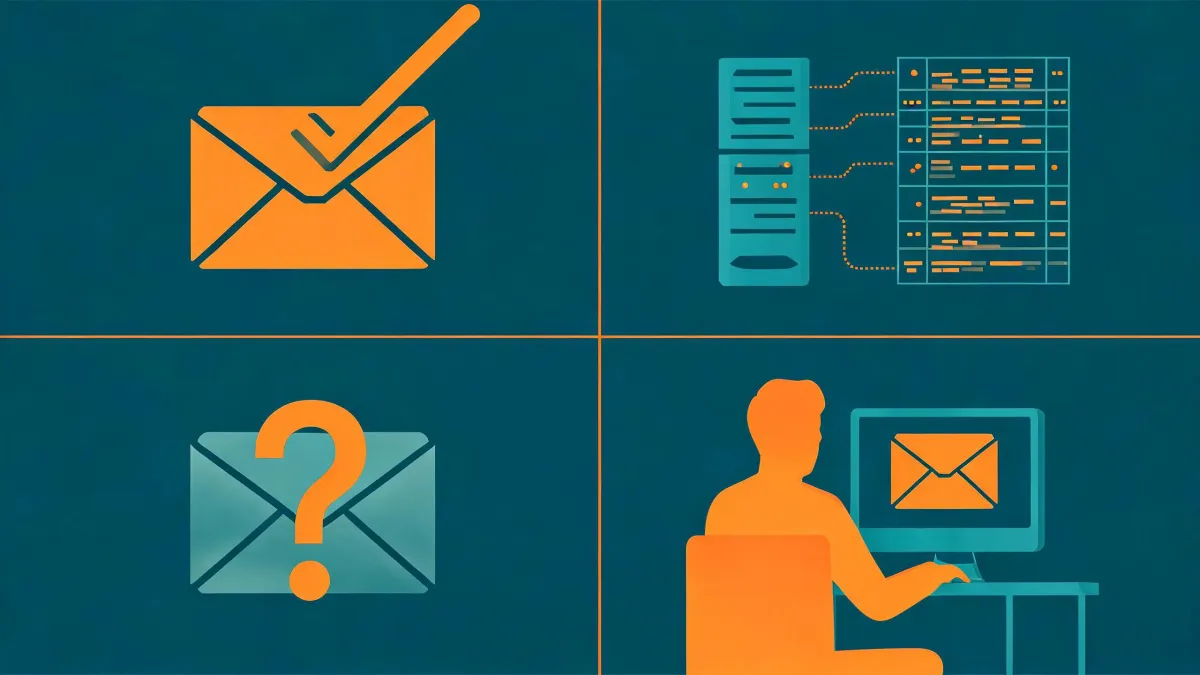
-
1. What exactly is Findymail?
-
2. Is Findymail a LinkedIn scraper?
-
3. How do Findymail pricing plans work?
-
4. What should revenue operations teams evaluate in B2B contact data?
-
5. Is Findymail a sales intelligence platform?
-
6. Why does email verification matter more than email finding?
-
7. How should I test Findymail before buying?
-
8. Does Findymail replace manual research?
I coordinate prospecting for a B2B SaaS sales team. When a launch or a renewal is on the line and the target list is full of dead emails, I'm the one who gets called. In March 2024, we had 36 hours before a partner webinar and 400 leads with no verified contacts. That sort of timeline teaches you what matters. I'm not a deliverability engineer, so I can't speak to every inbox algorithm. But I do know what happens when contact data is bad. Here is the FAQ I wish someone had given me before I evaluated email finder tools like Findymail.
- What exactly is Findymail?
- Is Findymail a LinkedIn scraper?
- How do Findymail pricing plans work?
- What should revenue operations teams evaluate in B2B contact data?
- Is Findymail a sales intelligence platform?
- Why does email verification matter more than email finding?
- How should I test Findymail before buying?
- Does Findymail replace manual research?
1. What exactly is Findymail?
Findymail is a B2B email finder and verification tool—or rather, it's an email finder that forces verification into the workflow. You give it a name and a company, or a lead list, and it returns the work email addresses it can find. Then it runs those addresses through verification before you download them. It also has a lead database, LinkedIn and Sales Navigator integration, and an API for teams that want to automate enrichment in their CRM.
From my perspective, it's not a magic wand. It's a tool that solves the 'I have a list of companies but no contacts' problem. The reason it caught my attention is that verification is built in, not an afterthought. When you're triaging a last-minute campaign, that makes a big difference.
2. Is Findymail a LinkedIn scraper?
Not in the grey-area sense. Findymail has an integration with LinkedIn and Sales Navigator that lets you capture leads from a Saved List and enrich them with email addresses. It's not crawling profiles in real time behind your back. You still do your searching in LinkedIn, press a button, and get a CSV of verified emails. In my experience, that's faster and safer than copy-pasting from profiles.
The distinction matters because 'scraper' usually means no regard for platform terms or data accuracy. Findymail's approach is closer to an enrichment trigger. I'm not a legal expert, so check your team's own compliance policies, but for day-to-day use by a sales team, it behaves like a button, not a spam generator.
3. How do Findymail pricing plans work?
Findymail pricing plans are usage-based, and exact credits and price points change periodically. As of early 2025, you should verify current numbers on their site. The main things to compare are:
- Email finder credits – how many names or companies you can search
- Verification credits – separate from finder credits in some plans
- API access – included monthly credits vs. pay-per-request
- Seat count – credit-based plans often don't charge per user
What I tell teams: don't compare sticker prices. Compare cost per verified, deliverable contact, not per credit. Ten free credits that mostly return bad data are worth less than five paid credits that are verified. And if you plan to connect a CRM or trigger enrichment from Sales Navigator, check overage rates up front—that's where 'affordable' tools get expensive.
4. What should revenue operations teams evaluate in B2B contact data?
When I'm triaging a contact data problem, I focus on four things:
- Accuracy vs. coverage. A tool can claim 300 million contacts, but if your industry is niche, what matters is how many of your actual targets have valid emails.
- Verification method. Is it just syntax checking, or does it run actual mailbox checks? The gap between 'format is valid' and 'server accepts this address' is where campaigns die.
- Freshness. According to Gartner, poor data quality costs organizations an average of $12.9 million per year (Source: Gartner, 2021). A big cause is data decay. Ask how often records are re-verified.
- Workflow fit. Can you send the list to your CRM without exporting and re-importing? Does it integrate with the Sales Navigator lists you already use?
B2B contact evaluation isn't just 'does it have emails.' It's 'does it have the emails that will get replies from my target accounts?'
5. Is Findymail a sales intelligence platform?
Short answer: no, or at least not in the all-in-one sales intelligence platform sense. A full platform usually gives you firmographic filters, technographics, intent data, and a huge repository of company-level insights. Findymail is more focused: it finds and verifies the personal emails behind the companies you already know you want to reach.
That's a feature, not a limitation. Many revenue teams waste budget on thousand-field databases when all they need is accurate contacts. Findymail sits alongside those platforms: use your data stack for targeting, then use Findymail to populate the email fields. In my experience, specialized tools win when the bottleneck is 'I have a good target list, but I can't reach anyone.'
If your team needs full-funnel intelligence, you'll probably still need a broader solution. Just don't pay for 100 data points per lead when you only need one verified email.
6. Why does email verification matter more than email finding?
Finding emails is easy. Finding valid emails is the actual job. I once pulled 2,000 leads for a campaign and skipped verification to save time. We sent on Monday. By Thursday, our bounce rate was over 15% and our domain reputation was hurting. That's when I learned: one bad list can undo weeks of warm-up. (Yes, we had to cool down the domain—ugh.)
Email deliverability research from Validity (2024) lists list hygiene as one of the biggest factors in inbox placement. A deliverability issue doesn't just kill one campaign; it affects future sends from the same domain. That's why I'd rather pay more for verified contacts than gamble on a larger list of 'found' emails. Verification turns email finding from a numbers game into an operational asset.
When I'm in emergency mode, the question I always ask is: 'What happens if 10% of these are dead on arrival?' With a verifier, that risk is manageable. Without one, you're betting the campaign.
7. How should I test Findymail before buying?
Run a real test that mirrors your actual workflow. Don't just download a sample and open it. Do this:
- Take 50 contacts from your own CRM and see how many Findymail can find and verify.
- Compare that against your current database's known bounce rate.
- Send a small campaign from a separate domain, or at least watch deliverability, and see if open/reply rates improve.
- If you need Sales Navigator integration, test it with your actual saved lists, not a generic search.
This worked for us, but our situation was fairly standard: a mid-size B2B team with a specific ICP. If you're in a country with low data coverage or a niche vertical, test more heavily before committing. Start with whatever trial or smallest credit pack Findymail offers at the time; you don't need to bet the budget. And remember—pricing is as of early 2025, so verify current rates before you compare.
8. Does Findymail replace manual research?
No, and I wouldn't want it to. Findymail replaces the copy-paste part of prospecting—the part where you open six tabs and try to guess an email pattern. It doesn't replace the decision about who to target or how to personalize the outreach.
In my role, that distinction matters. The tool helps me go from 'we know the account' to 'we have a contactable person' in minutes instead of hours. But the sales team still has to look at an account, understand its pain points, and decide if it's actually a fit. A good SDR will make that call; the tool just makes the contact part faster.

Julian Hartwell
Julian Hartwell is an independent B2B sales intelligence analyst covering contact databases, company data, decision-maker profiles, direct dials, prospect lists, and buying signals. He applies the ISO/IEC 25012 data-quality model while examining field accuracy, coverage, freshness, duplicate rate, match confidence, and source transparency. His evidence-led guides help revenue teams compare prospecting platforms, define acceptable data thresholds, and build account lists that support reliable territory planning and outreach.